

Kenya Imagine
Lions vs. Masia warriors
23 Aug 2019
Who doesn't love natural documentaries from Kenya? There is something incredibly appealing with the wild life of the heart of Africa and to many people from all over the world it is a life dream to witness the savannahs in real life. The Masais are famous all over the globe for their ability to live in this environment, side by side with some of the world's most dangerous predators. They are also known for their tall, slim body build and their ability to jum really high. In this documentary we get to see Masai warriors when they set out to battle lions.
Hyperhidrosis can affect anyone
24 Apr 2019

It doesn´t matter where you live. You can have your home in Africa, Europe, America, Asia or elsewhere and still be affected by hyperhidrosis. The more common name for this problem is excessive sweating and it can occur all over your body. When armpits are affected you can most often hide it, but when you get soggy and wet hands there is no way to hide it. You simply have to get a remedy of some sort. But how to get rid of sweaty hands? There are some options available which includes both home remedies and more clinical solutions. No matter where these problems occur, they actually can be fixed. Both short term and more permanent.
Which one works best?
This is very individual. Some get great results by using zinc powders, baby powder or even chalk while others see no change at all using the same methods. They can use a more “hands on” method which includes electric current run through the parts of the body that are affected by hyperhidrosis. There should not be any shame in having this, but it can of course cause some discomfort. Especially in social engagements. Having the problem solved is often easily done, and will also fix it permanently. So, if you are a person with this syndrome, don´t hesitate talking to a dermatologist who can help you.
Traditional music
23 Feb 2019
There are many different tribes in Kenya and all carry their unique tradtions. In this captivating video clip we get to listen to traditional Masai tunes sung by original Masai women from East Africa. it is incredibly powerful and beautiful, isn't it?
Snow in Kenya?
13 Nov 2018
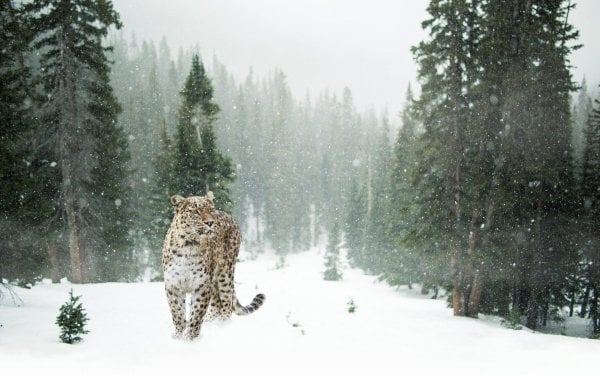
It doesn't snow in Kenya, that's a general notion. In fact, most Kenyans have never seen snow in their lives, except for possibly the snow that can be created in the freezer when defrosting it is overdue. However, in 2017, for the first time in history, snow fell over Kenya and covered the landscape. People were amazed. I have traveled to Kenya many a times and I love the country. I am a person who loves contrast so when I am not in the heat, I like to be in the cold.
A Kenyan ski enthusiast
For obvious resons you don't see many Kenyans on the snowy slopes of ski resorts. There are always exceptions of course, and Kenyans travel too. In fact, the last time I went to the Alps for skiing (which is my absolute favourite cold-weather activity), I met a Kenyan, overly enthused with skiing - he was amazing! He was born in Kenya, but had lived in Switzerland since the age of twelve, and he told me that the only way to get used to the freezing cold and the snow was to totally embrace it (and invest in proper clothing). Now he is out on the slopes every chance he gets. Pretty inspiring. Apart from talking long hours about his mother country, he also helped me out with some questions I had abou skiing. For instance, he was the one to explain to me how long should my skis be. Who would have thought...
I usually get all my ski related qusetions answered at freeride.com, but this Kenyan was like a living encyclopedia. Life never stops surprising!
Kenyan runners
15 Jan 2018
Time and again Kenyans excel at running competitions. They are winning everything in long distances, but also in shorter. But why is it so? Why are Kenyans such great runners? Is there something in their DNA or physique? Or is it the environment they grow up, and train, in (high altitudes)? Or is it just a tradition of running, with certain training factors that the rest of the world has yet to discover? It is an interesting topic...